
Kavala Geography
Explore the Landscape and Features
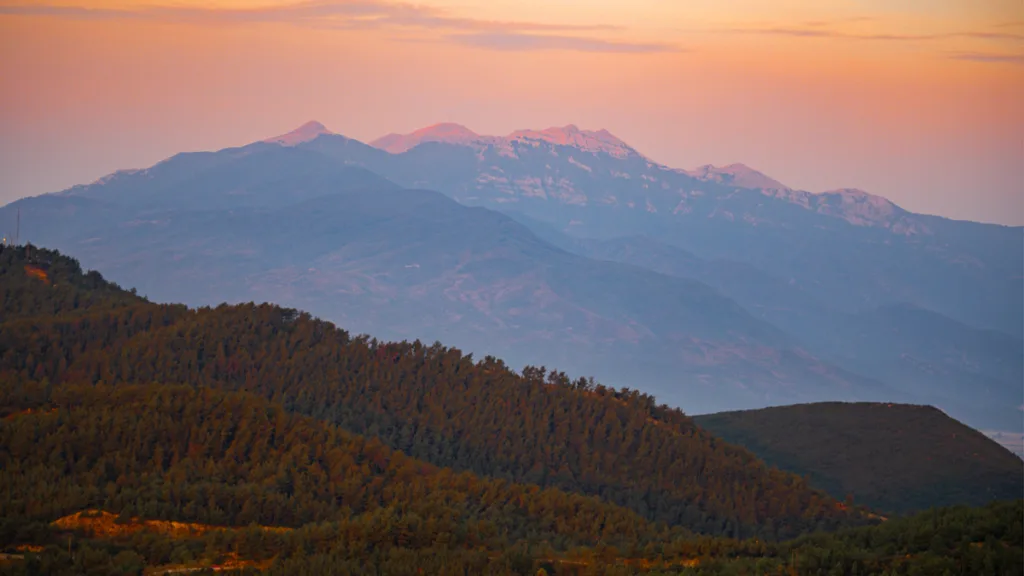
Kavala Geography
Kavala lies in the northeastern corner of Greece, nestled within the region of Eastern Macedonia and Thrace. What makes the geography Kavala particularly striking is its commanding position along the northern shores of the Aegean Sea—a location that has played a crucial role in shaping the city’s history over the centuries. This area is celebrated for its deep cultural legacy and remarkably varied scenery, turning Kavala into an endlessly captivating destination for travelers.
Key Features: Coastal Town with Mountainous Terrain
Kavala geography is a stunning blend of coastal charm and mountainous grandeur. The city is amphitheatrically built around the Bay of Kavala, providing breathtaking views of the Aegean Sea.
Coastal Town
The natural harbor of Kavala has been an essential port since ancient times, facilitating trade and cultural exchanges. The harbor remains a bustling area, perfect for relaxing and enjoying the maritime atmosphere. This feature is a significant aspect of the Kavala Geography.
Mount Pangaion
Located west of the city, Mount Pangaion rises to 1,956 meters and is rich in history and natural resources, particularly gold. This mountain adds to the diverse Kavala Geography and provides opportunities for hiking and exploration.
Climate: Mediterranean
The Kavala Geography contributes to its Mediterranean climate, characterized by hot, dry summers and mild, wet winters. This climate makes it an ideal destination year-round, with each season offering its unique charm.
Summer
From May to September, the weather is warm and sunny, perfect for exploring the city’s beaches and outdoor attractions. Average temperatures range from 25°C to 35°C.
Winter
The winter months bring milder temperatures, ranging from 3°C to 15°C, with occasional rain showers. This is a great time to explore the historical and cultural sites without the summer crowds.
Historical Significance
From Neapolis to Christoupolis
Kavala, originally known as Neapolis (New City), has a rich history that dates back to ancient times. Its strategic coastal location and natural resources made it a significant settlement throughout history, influencing the Kavala Geography.
Byzantine Era
During this period, the city was known as Christoupolis (City of Christ). This name reflects its importance in the spread of Christianity, especially after Apostle Paul’s visit.
Apostle Paul’s Visit
In 49 AD, Apostle Paul visited Kavala, then Neapolis, marking a pivotal moment in the spread of Christianity in Europe. He baptized Lydia, the first European Christian woman, at the River Zygaktis. This historical event is commemorated by monuments that visitors can explore today.
Modern Kavala: A Blend of History and Contemporary Life
City Layout and Attractions
Kavala geography makes it a compact city that can be easily explored on foot. The city center is relatively flat, but as you move towards the Old Town of Panagia, you’ll find narrow, winding streets that offer charming views and historical insights.
The Old Town – Panagia
This area is a maze of traditional houses and historical sites, including the impressive Fortress of Kavala and the Kamares Aqueduct. These features highlight the rich Kavala Geography.
Modern Amenities
The city center features beautiful neoclassical buildings, vibrant tavernas, and cafes where you can enjoy delicious Mediterranean cuisine, particularly fresh seafood.
Natural Beauty
Beaches and Coastal Areas
The coastal areas around Kavala are dotted with beautiful beaches perfect for relaxation and water activities. The clear waters and sandy shores make it a favorite spot for both locals and tourists, showcasing the coastal Kavala Geography.
Green Spaces
The city’s proximity to the mountains provides lush green spaces and parks where visitors can enjoy the tranquility of nature. These areas are ideal for hiking, picnicking, and experiencing the diverse flora and fauna, further enriching the geography Kavala.
Practical Information for Visitors
| Category | Details |
|---|---|
| Population | City: 54,027; Municipality: 70,501 |
| Region | East Macedonia and Thrace google maps |
| Currency | Euro (€) |
| Local Time | EET (GMT/UTC +2 hours) |
| Summer Time | EEST (GMT/UTC +3 hours) |
| Telephone Code | +30 2510 |
| Climate | Mediterranean, with hot, dry summers and mild, wet winters. Temperatures range from 3°C in winter to 35°C in summer. Rain showers are common even in the summer months. |
Conclusion
Kavala is a city where history and geography create a unique and enchanting destination. From its strategic coastal location and stunning mountains to its rich historical tapestry, Kavala offers something for every traveler. Plan your visit today and immerse yourself in the beauty and history of this northern Greek gem!
You want to visit the top 10 attractions? top 10 attractions
Related: Population of Kavala | History of Kavala | Kavala Mountains
Paragliding Kavala
Paragliding Kavala Fly Above Northern Greece Soar Above Northern Greece’s Hidden Gem Paragliding Kavala offers an unparalleled adventure experience in…

Language School Kavala
Language School Kavala Learn a New Language Language school Kavala choices cover a wide range of languages and levels —…
Seitanidis Estate Kavala
Seitanidis Estate Kavala organic wine Seitanidis Estate Kavala – Discover Exquisite Greek Wines Seitanidis Estate Kavala is a family-run winery…
Greece Tax Number
Greece Tax Number Guide to Obtaining Your AFM The Most Important in a Nutshell Tax number Kavala (AFM — Arithmos…

Internist Kavala
Internist Kavala Medical Professionals Internist Kavala doctors offer trusted medical consultations, check-ups and referrals for residents, expats and tourists throughout…
Waterway Trail Kavala
Waterway Trail Kavala a hiker’s paradise Explore the waterway trail Kavala, a journey through history and natural splendor. This picturesque…
Camping Kavala
Best Campsites in Kavala Your Guide to Outdoor Adventure Are you dreaming of a memorable camping trip in Kavala? This…
Kavala Caves
Kavala Caves Dive into the Underworld Introduction for Kavala Caves Kavala Caves and the surrounding region hide spectacular underground worlds…

Kavala Port
Kavala Port Gateway to the Aegean Welcome to the lively Kavala Port! In this article, we’ll explore its fascinating history,…