
Kavala History
Uncover the Past of a Historic City
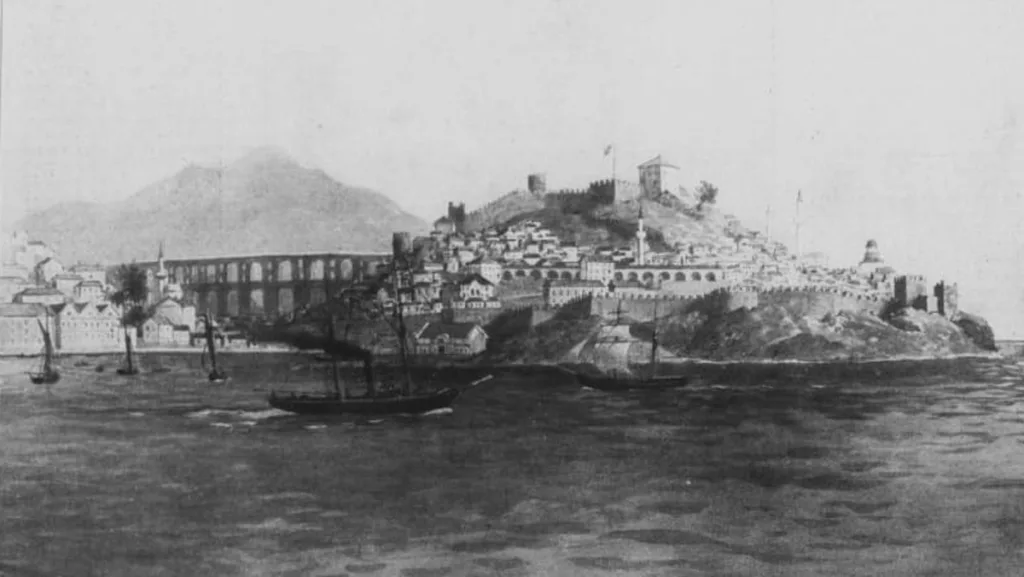
Welcome to an inspiring journey through the rich and layered Kavala History, a city whose story stretches back an astonishing twenty-seven centuries. Across the ages, from the ancient Greeks and Romans to the Byzantines and Ottomans, Kavala has been molded by the hands of conquerors, bustling merchants, and revered saints, each leaving their indelible mark. The result is a vibrant, multifaceted cultural heritage that continues to captivate and inspire.
Visitors can explore landmarks like Kavala Castle, the ancient aqueduct, and the old town of Panagia, each offering a glimpse into the city’s storied past. The Kavala history unfolds at every turn, making it an unforgettable destination for anyone drawn to its rich legacy.
The Birth of Neapolis
Kavala’s story begins in the 7th century BC when settlers from Paros and Thassos islands founded the city, originally named Neapolis. They aimed to control trade and exploit the gold deposits of Mount Pangaion. This strategic port quickly caught the eye of Athens, leading to prosperous relations and financial independence, symbolized by the right to mint its own coins.
The Macedonian and Roman Eras
Under Philip II of Macedon, Neapolis became the primary port of Philippi. This connection brought wealth and prominence, but also a loss of autonomy. The city’s significance continued under Roman rule as a vital link on the Via Egnatia, bridging the East and West of the Roman Empire. The arrival of Apostle Paul in the first century AD marked the start of Europe’s Christianization, with the first European Christian, Lydia, baptized nearby.
From Christopolis to Kavala
In the Byzantine era, Neapolis was renamed Christopolis. However, the city faced destruction by the Normans in 1185, only to be rebuilt and see its fortunes rise again. The 13th century brought it under Constantinople’s control, alternating between Byzantine and Venetian rule before falling to the Ottoman Turks in 1387.
Ottoman Influence and Modern Kavala
Kavala thrived once more under Ottoman rule, with notable constructions like the Kamares aqueduct in 1530 by Suleiman the Magnificent. The city’s modern layout began to take shape in the 18th century. The 19th century saw the birth of Muhammad Ali, the founder of the Egyptian dynasty, who left his mark with the construction of the Imaret.
Kavala played a significant role in Greece’s struggle for independence and was finally liberated from Ottoman rule in 1913. The 20th century saw Kavala evolve into a modern city, maintaining its historical charm.
Neapolis: The Ancient Foundation of Kavala History
The first chapter of the city’s timeline began in the late 7th century BC. Settlers from the island of Thassos established the colony of Neapolis to secure commercial control over the straits and exploit the gold and silver deposits of the nearby Mount Pangaion.
By the end of the 6th century BC, Neapolis asserted its independence, issuing silver coins featuring the Gorgon and the goddess Parthenos, the city’s patron deity. Throughout the classical era, the city remained a steadfast ally of Athens and eventually became the primary port for the neighboring Macedonian capital of Philippi.
Christoupolis: The Medieval Chapter of Kavala History
As the Roman Empire transitioned into the Byzantine era, the city was renamed Christoupolis (‘City of Christ’) around the 8th or 9th century. This period is a cornerstone of Kavala history, particularly due to the year 49/50 AD, when the Apostle Paul landed at the harbor during his first mission to Europe.
Due to its position on the Via Egnatia, Christoupolis became a crucial military and commercial station. Emperors like Justinian I invested in massive fortifications to protect the city from barbarian incursions. Despite these defenses, the city faced numerous sieges before being captured by the Ottoman Empire in the late 14th century.
Must-Visit Historical Sites in Kavala
Kamares Aqueduct
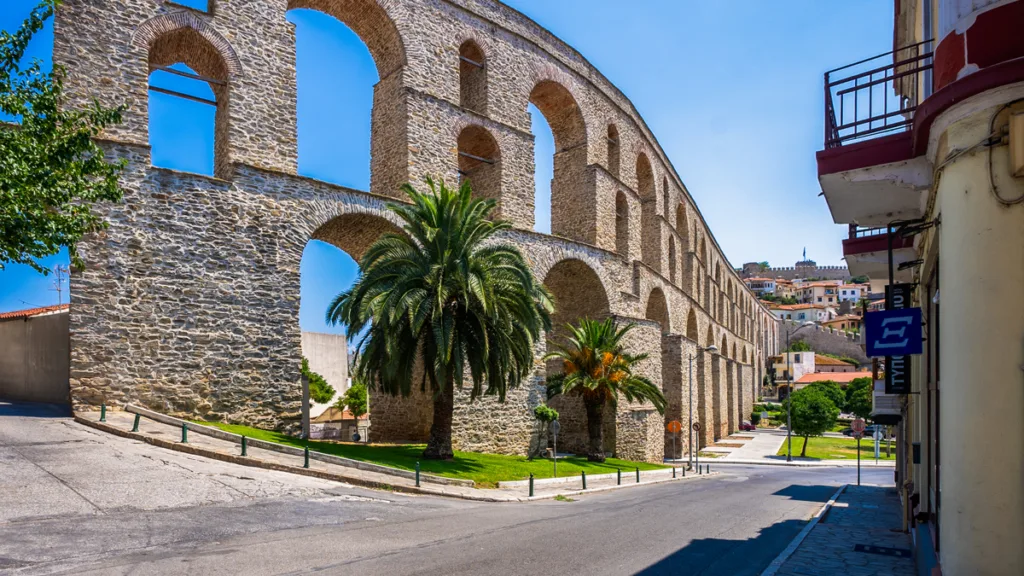
An architectural marvel from the 16th century, providing a glimpse into Ottoman engineering.
Aqueduct of Kavala
GoogleMaps
Castle
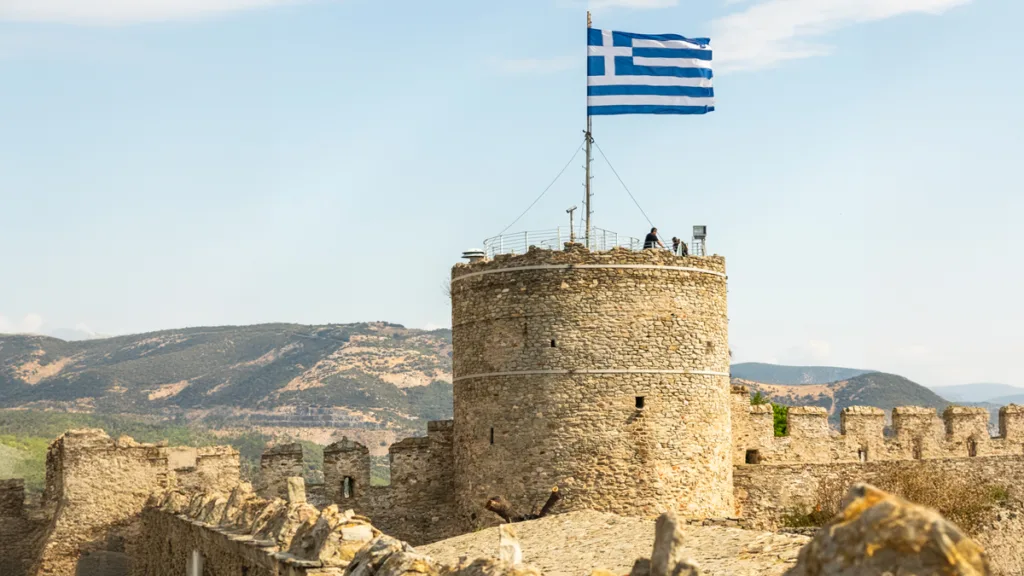
Originally constructed during the Byzantine era and later expanded by the Ottomans, it provides a glimpse into rich Kavala history.
The castle of Kavala
GoogleMaps
Imaret
Built in 1817 by Muhammad Ali, this stunning structure showcases Islamic architecture’s elegance.
GoogleMaps
Apostle Paul Monument
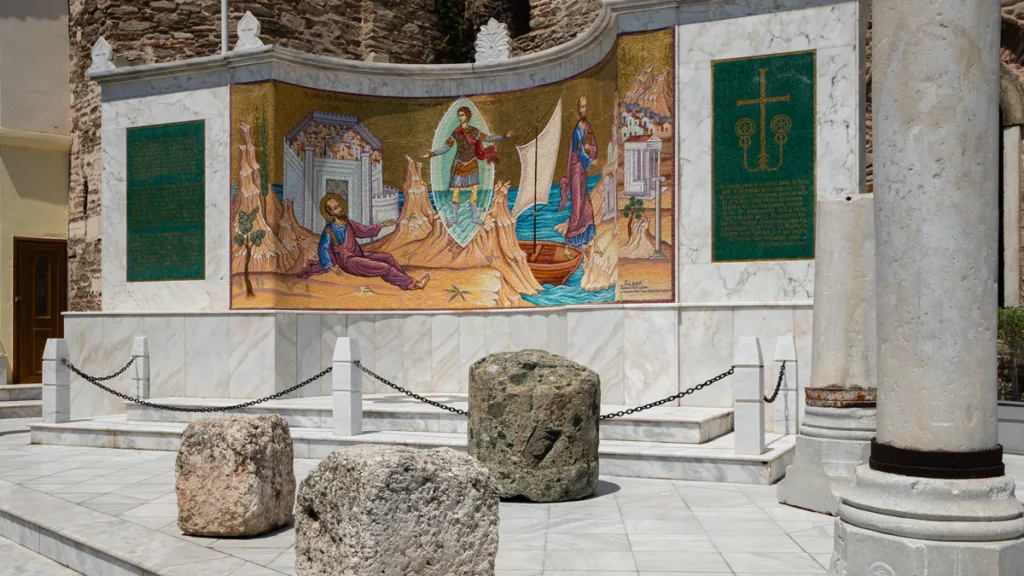
Commemorating Paul’s arrival in Neapolis, a pivotal moment in Christian Kavala history.
GoogleMaps
Via Egnatia
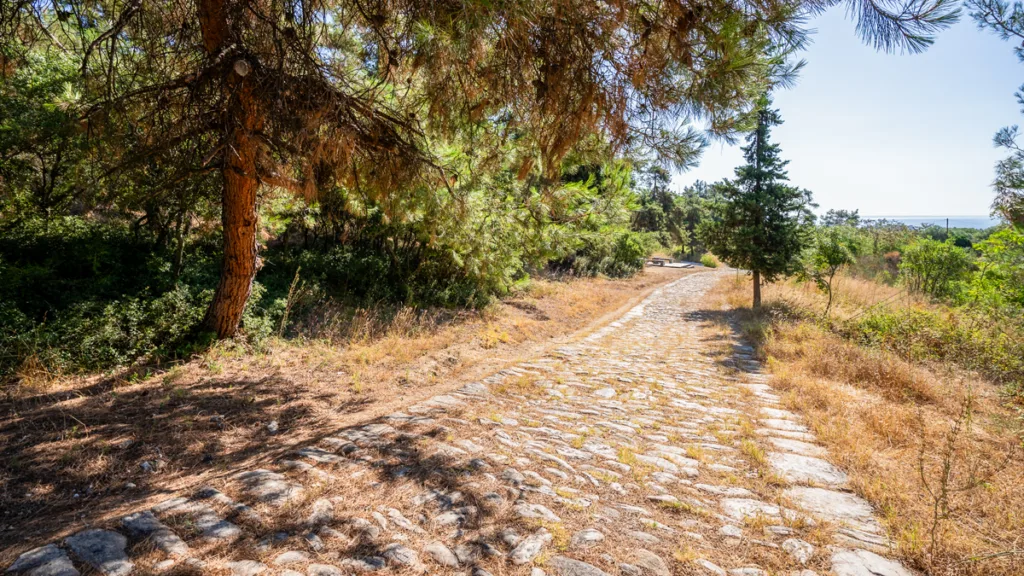
The Via Egnatia was an important Roman road that connected the Adriatic Sea to the Bosporus.
GoogleMaps
Experience Kavala History Today
Kavala is not just a city of the past; it is a vibrant destination offering something for everyone. From its bustling port and beautiful beaches to the charming old town, visitors can enjoy a blend of Kavala history, culture, and natural beauty.
- best Beaches: Relax on the pristine sands of Batis, Tosca, and Kalamitsa beaches.
- Old Town: Wander through the narrow streets of Panagia, the oldest part of the city, and discover traditional houses and local shops.
- Mount Pangaion: Explore hiking trails and the ancient gold mines that once fueled Kavala’s economy.
Practical Information
- How to Get There: Kavala is accessible by road, sea, and air. The nearby Alexander the Great International Airport offers connections to major cities.
- Where to Stay: From luxury hotels to cozy guesthouses, Kavala has accommodation options to suit all budgets.
Conclusion of History Kavala
Kavala’s rich tapestry of history, culture, and natural beauty makes it a must-visit destination for travelers. The history Kavala is deeply intertwined with the city’s charm, with influences from ancient Greece, the Byzantine Empire, and Ottoman rule. Visitors can explore historical landmarks like the Kavala Castle and the Imaret, or wander through the old town’s cobblestone streets.
Whether you’re a history enthusiast or a nature lover, Kavala provides a unique experience, surrounded by beautiful landscapes and stories from the past. The history Kavala comes alive through its architecture and cultural sites, making it an unforgettable journey through time.
Explore historical landmarks like the Castle and the Aqueduct. Learn about Faith and Religion or visit the Museums. Check the 10 Best Attractions for more.

Aqueduct Kavala
Aqueduct Kavala Explore This Iconic Landmark The aqueduct Kavala is known for — locally called the Kamares — is one…

Kavala FAQ
13 Frequently asked questions FAQ Welcome to the ultimate Kavala FAQ – your go-to resource for the 13 most frequently…
State Institutions Kavala
State Institutions Kavala Essential Public Services Kavala, a charming city on Greece’s northern coast, hosts several state institutions Kavala that…
Scenic Views Kavala
best Scenic Views Kavala Kavala, a city bursting with history and natural beauty, is full of spots that will take…
Rafting Nestos River
Rafting Nestos River Greece’s most pristine natural landscape The Ultimate Adventure in Northern Greece’s Wild Heart Rafting Nestos River delivers…
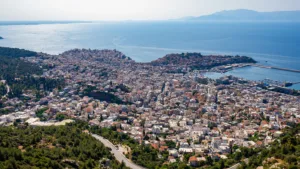
Emigrating to Kavala
Emigrating to Kavala Relocation Tips and Insights The Most Important in a Nutshell Affordable Living: Rent starts at just €250…

Internist Kavala
Internist Kavala Medical Professionals Internist Kavala doctors offer trusted medical consultations, check-ups and referrals for residents, expats and tourists throughout…

Hospital Kavala
Hospitals Kavala Quality Medical Care The Essentials at a Glance Main Hospital: General Hospital in Kavala Private Hospitals: Kliniki Ippokratis…
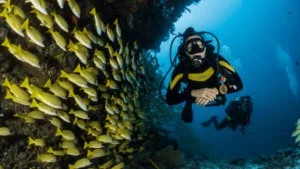
Kavala Diving
Kavala Diving An Underwater Adventure Kavala Diving enthusiasts discover some of the clearest waters in the Aegean Sea, with fascinating…