
Kavala Tobacco
Walking the Streets of the Balkan Tobacco Capital
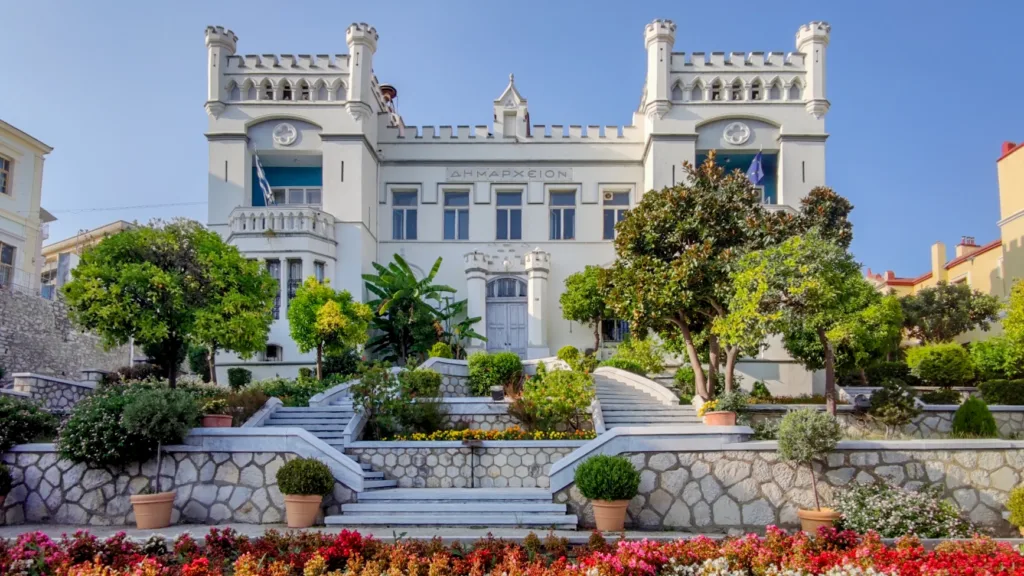
Kavala tobacco is more than a chapter in a history book. It is written into the very stones of the city – in the grand merchant mansions that line the old harbour, in the imposing warehouses that still stand between narrow alleyways, and in the faded lettering of trading companies whose reach once extended far beyond the Aegean. To walk through Kavala is to walk through the story of Kavala tobacco, and it is a story well worth knowing.
The Mecca of Tobacco – How Kavala Earned Its Title
Few cities in the world have been so completely defined by a single commodity. In the late 19th and early 20th centuries, Kavala tobacco transformed a modest Aegean port into one of the most important commercial centres in the entire Balkan region. Merchants, traders, and buyers from across Europe and beyond descended on Kavala each season, drawn by the exceptional quality of the Oriental tobacco grown in the surrounding plains of Drama, Xanthi, and Serres.
The city earned its extraordinary designation – the “Mecca of Tobacco” – not by chance but through decades of accumulated expertise, ideal growing conditions, and a trading infrastructure that grew increasingly sophisticated with every passing year. At its peak, Kavala tobacco was exported to markets across three continents. The golden leaf that left this harbour found its way into cigarettes smoked in London, Vienna, Cairo, and New York. The city that produced and traded it was, for a period, one of the wealthiest per capita in all of Greece.
Kavala Tobacco Architecture – A City Built on Golden Leaves
The most compelling evidence of the Kavala tobacco era is not found in archives or museums alone – it stands in plain sight along the streets of the city. The architecture of Kavala is an architectural diary of the tobacco economy. Every grand building tells a story of wealth accumulated through the trade, processing, and export of Kavala tobacco.
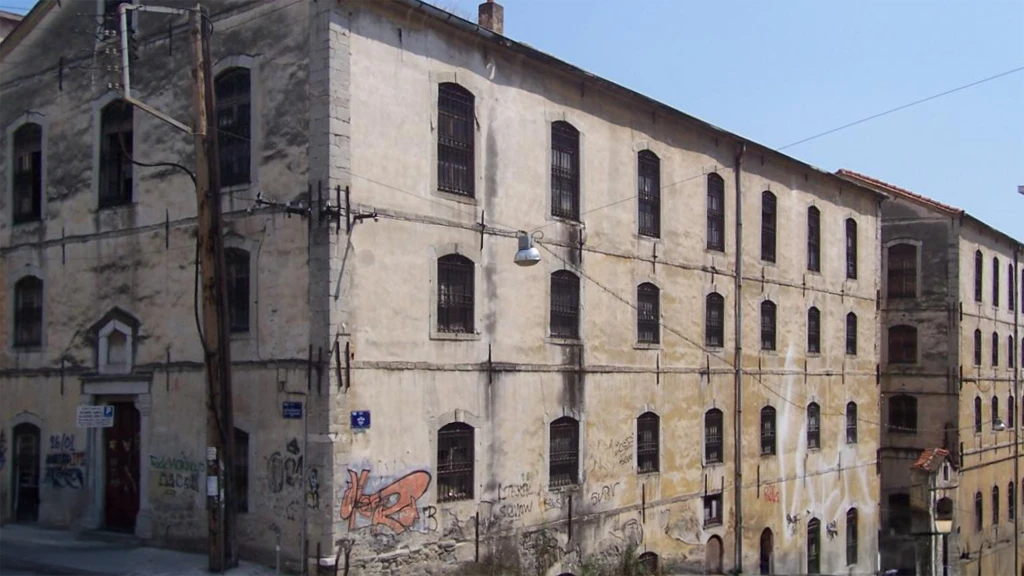
The tobacco warehouses – known locally as kapnomagazina – are the most distinctive structures of this era. These monumental stone buildings were constructed in the second half of the 19th century to store, sort, and prepare Kavala tobacco for export. Their thick walls maintained the specific temperature and humidity required to preserve the delicate leaves. Today, many of these buildings have been repurposed as cultural spaces, hotels, restaurants, and offices, but their original character remains unmistakable. Walking past them, you can almost sense the industry and energy that once filled every corner of the city.
Alongside the warehouses, the merchant mansions of the tobacco elite stand as a testament to the extraordinary wealth that Kavala tobacco generated. These neoclassical and eclectic-style villas, many of them dating from the late Ottoman period, were built by the great tobacco merchants who dominated the city’s commercial life. Their façades – ornate, confident, and built to last – reflect a world in which Kavala tobacco was not merely a trade but a way of life.
The Tobacco Route – Walking Through Kavala’s Historic Streets
One of the most rewarding ways to experience the Kavala tobacco legacy is on foot. The historic centre of the city, particularly the area around the old harbour and the neighbourhoods of Panagia and Kalamitsa, is dense with tobacco-era buildings that speak directly to the city’s past.
A self-guided Kavala tobacco walk might begin at the waterfront, where the old trading houses once managed the export of thousands of bales of leaf tobacco. From there, narrow streets lead upward into the Panagia district, where the old town’s Ottoman and neoclassical buildings create a skyline unlike anywhere else in northern Greece. The kapnomagazina are scattered throughout this area, some bearing faded company names and dates that anchor them firmly in the era when Kavala tobacco ruled Balkan commerce.
“A city’s architecture is its autobiography. In Kavala, every façade is a sentence in the story of tobacco.”
Kavala Tobacco Museum – Where History Comes Alive
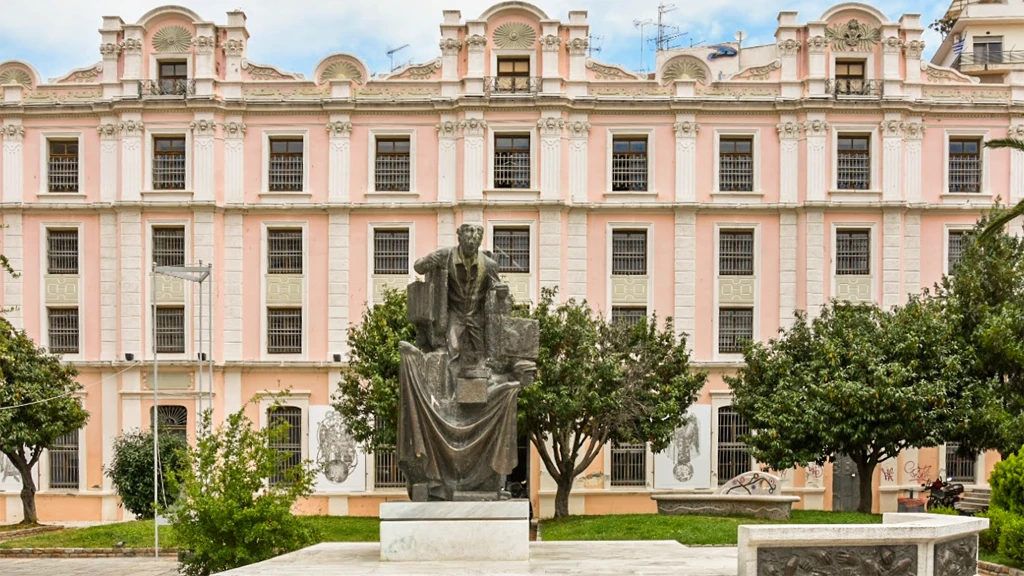
No exploration of Kavala tobacco is complete without a visit to the Kavala Tobacco Museum, which occupies a beautifully preserved former tobacco warehouse in the heart of the city. The museum documents the full arc of the tobacco trade – from cultivation and harvesting in the surrounding region to sorting, pressing, and export from Kavala’s harbour.
The exhibits bring the human dimension of the Kavala tobacco story to life. Visitors encounter the tools used by tobacco sorters – a workforce that in peak seasons numbered in the thousands and included a remarkable proportion of women – as well as the machinery of the warehouses, archival photographs of the trading floors, and documents that chart the astonishing reach of the Kavala tobacco trade across global markets.
The Kavala Tobacco Museum also addresses the social history of the trade: the communities of merchants, workers, and brokers that grew up around it, the waves of immigration it attracted from across the Balkans and beyond, and the way in which Kavala tobacco shaped the city’s identity in ways that are still felt today. It is, in short, an essential stop for anyone who wants to understand what made Kavala the city it is.
The Legacy of Kavala Tobacco Today
The great age of Kavala tobacco has passed, but its legacy endures in the city’s fabric, its culture, and its sense of identity. The warehouses that once stored bales of golden leaf now host art exhibitions and cultural events. The mansions of the tobacco merchants have become boutique hotels and preserved residences. The routes along which tobacco was transported to the harbour have become promenades and pedestrian streets.
What the Kavala tobacco era left behind is not nostalgia but architecture – a built environment that gives the city its distinctive character and sets it apart from every other city in northern Greece. For visitors who take the time to look closely, to read the buildings as the documents they are, Kavala reveals itself as a city of extraordinary depth and ambition – a city shaped, more than anything else, by the golden leaf that once made it famous across three continents.
Related: History of Kavala | Museums in Kavala | Kavala Economy
Explore more of Kavala’s rich heritage with our guide to Kavala history, visit the best excursions from Kavala, or discover the full story of this remarkable city. For further reading on the tobacco trade in the Eastern Mediterranean, the Wikipedia article on Kavala provides useful additional context.
 -
- -
- -
- -
- -
-